Made in Africa
Shea Nut to Shea Butter
Shea trees grow wild across the savannah from Senegal to South Sudan. Women's cooperatives in Ghana, Burkina Faso, Mali and Nigeria turn the nuts into the butter used in soaps, creams and food around the world. Walk the line and make your own batch.
- → 1. Collecting the nuts
- 🔒 2. Cracking and roasting
- 🔒 3. Grinding and washing
- 🔒 4. Kneading the butter
- 🔒 5. Packing and market day
Welcome to the shea butter factory
- ⌨️ W A S D or arrow keys to walk, Shift to go faster (or the arrow buttons).
- 🖱️ Drag to look around.
- 🚶 Walk up to each machine in order. Follow the glowing arrow, then click the machine or press Start.
- 📋 Follow the work orders and download your lab report.
- 🫙 At the end, design your shea butter jar label and see where the money goes.
From nut to butter, for real
Real photos in the order the factory works. Captions say where photos come from outside Africa.
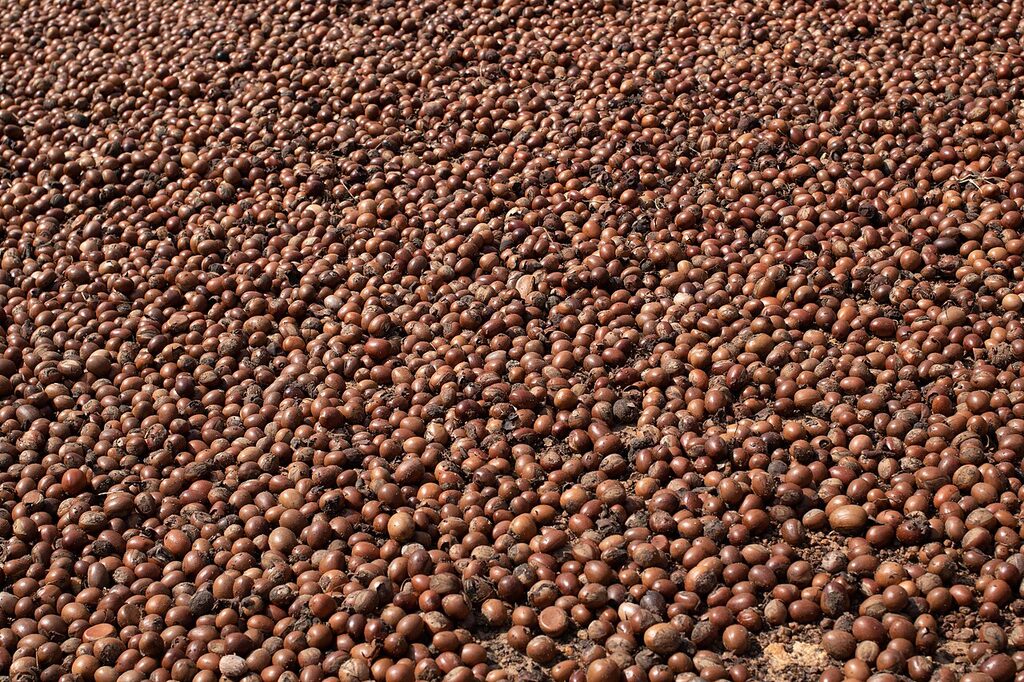 1. Dried shea nuts.
Photo: Dorcas Queen · CC BY-SA 4.0 · source
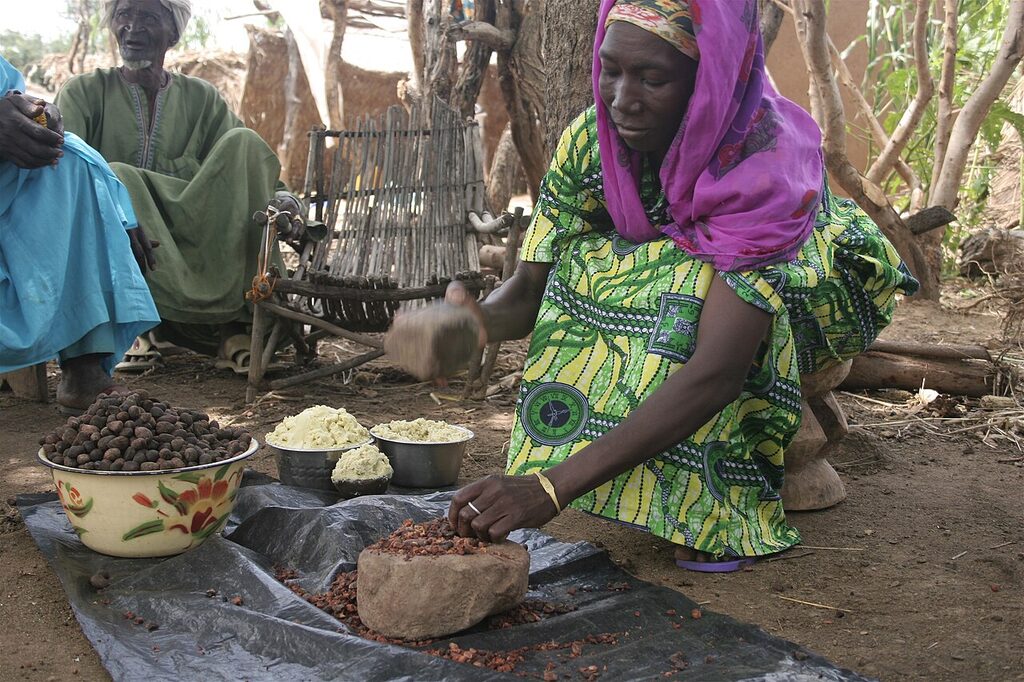 2. A woman processing shea nuts into butter in Burkina Faso.
Photo: TREEAID · CC BY 2.0 · source
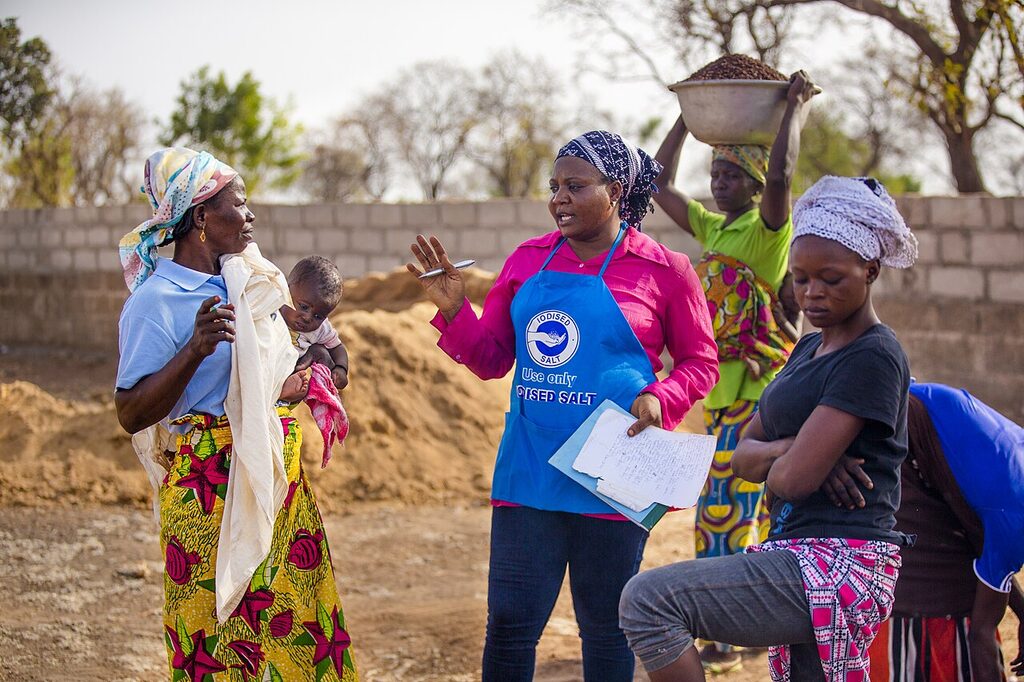 3. Women making shea butter together in Ghana.
Photo: USAID in Africa · Public domain · source
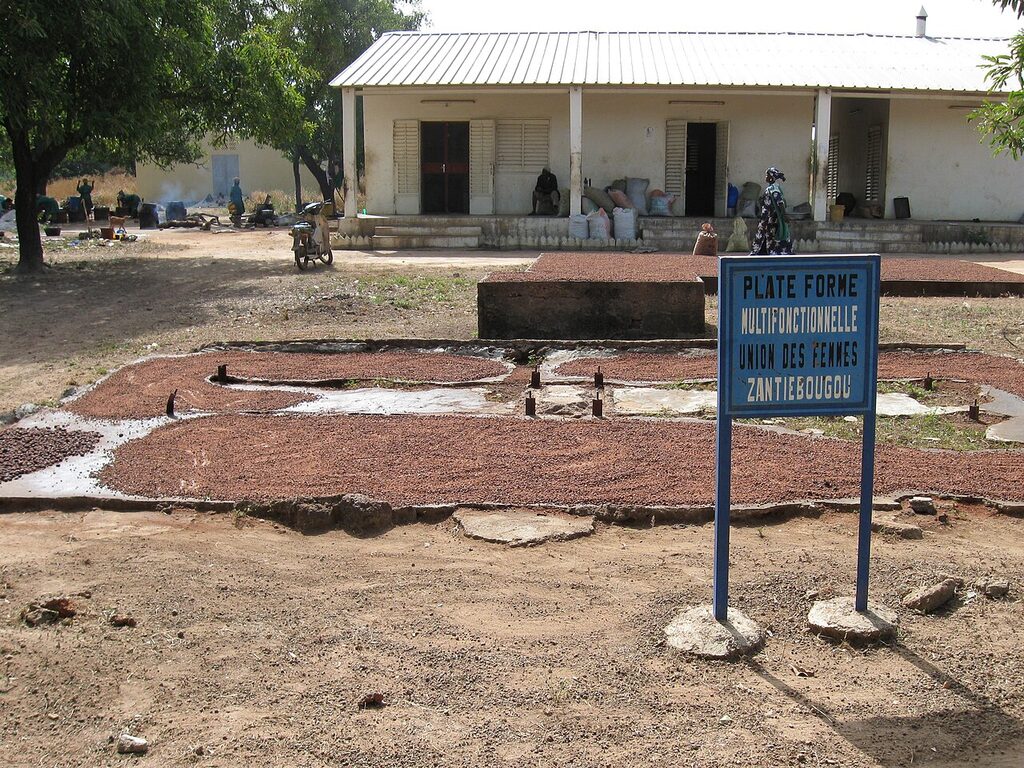 4. Finished shea butter from a cooperative in Mali.
Photo: IICD · CC BY 2.0 · source
Copy prompt for Lovable
Paste this into the Pan African Global Open Curriculum project to add this factory there.
Add a "Made in Africa Factory: Shea Nut to Shea Butter" hall to the Pan African Global Open Curriculum, next to the cocoa and solar halls.

1. Reuse the 3D factory hall (three.js, lazy, client only): walk with W A S D / arrows / on-screen buttons, drag to look, full screen, the shared welcome card, and walk-to-unlock stations in order with a glowing floor arrow.
2. Paint: savannah gold walls, a green band with dotted pattern, warm light; page buttons and titles in shea green.
3. Same five Black technicians in new outfits and a new order: Rasheeda (collecting), Issaka (cracking and roasting, goggles), Abena (grinding and washing), Mariama (kneading), Yaw (boiling and packing).
4. Five hands-on games with stars, results after play, real credited Wikimedia Commons photos and a "Think about it" question:
   - Collect: inspect 12 nuts under a magnifier, select 9 sound ones and turn each on a raised drying rack.
   - Roast: set cracking force, then manage individual kernel temperatures by heating, turning and cooling the pan.
   - Wash: mill a fine paste, add clean water in 0.25 L portions, then settle a pre-kneaded comparison sample.
   - Knead: circle the basin or use an accessible knead-cycle button; watch fat separate, then skim six pale portions without sediment.
   - Market: keep the cooperative market-planning activity, balancing butter, cream, income and labour. All process values and cycles are compressed classroom models, not real recipes.
5. Finale: design and download a shea jar label, then the "Where the money goes" slide (100 kg kernels ~$40 → 35 kg butter ~$140 → 350 jars ~$1,400).
6. Work orders, lab report download, "Did you know?" cards. Mark science and prices for teacher review. Saving work is phase 2 (paid accounts).
7. Processing reference: UNIDO/WACWISA improved shea processing manual (https://wacompghana.org/wp-content/uploads/Shea-processing-manual-using-Improved-shea-kernel-processing-equipment_web-version.pdf), pp. 11–12. The numerical targets, drying turns and yields in these games are classroom models, not values verified by that manual.