AfroFuture Factories
Phones: from old metal to a new phone
Much of the copper, cobalt and tantalum in the world's phones is mined in Africa, but almost no phones are made here. In the AfroFuture world, African engineers recover metal from old phones, purify it, make chips and build fair phones. Walk the line: the science is real.
- → 1. Urban mining
- 🔒 2. Purifying copper
- 🔒 3. Making a chip
- 🔒 4. Building the circuit board
- 🔒 5. Assembly and testing
Welcome to the AfroFuture phone factory
- ⌨️ W A S D or arrow keys to walk, Shift to go faster (or the arrow buttons).
- 🖱️ Drag to look around.
- 🚶 Walk up to each machine in order. Follow the glowing arrow, then click the machine or press Start.
- 📋 Follow the work orders and download your lab report.
- 📱 At the end, design your own phone and see where the money goes.
Inside a phone, for real
Real photos in the order the factory works. Captions say where photos come from outside Africa.
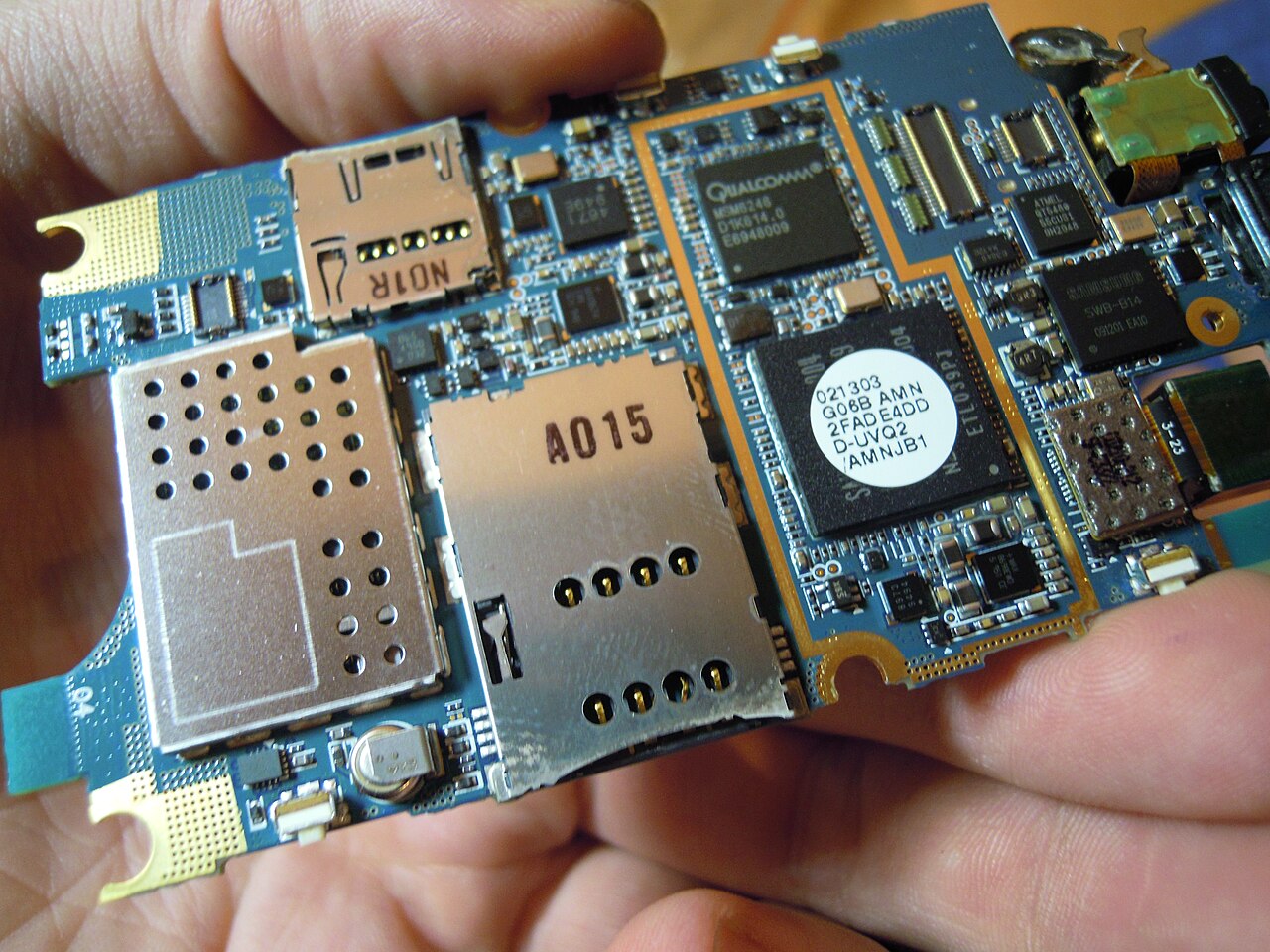 1. The main board from inside a phone.
Photo: TorQue Astur · CC BY-SA 4.0 · source
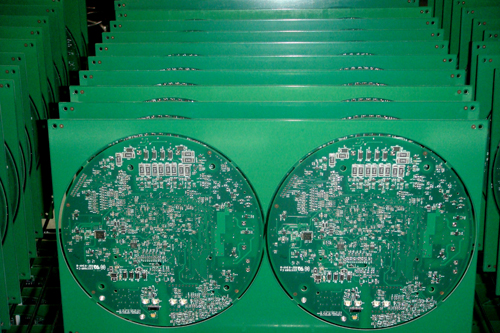 2. A printed circuit board with chips and parts.
Photo: JayHand · CC BY-SA 3.0 · source
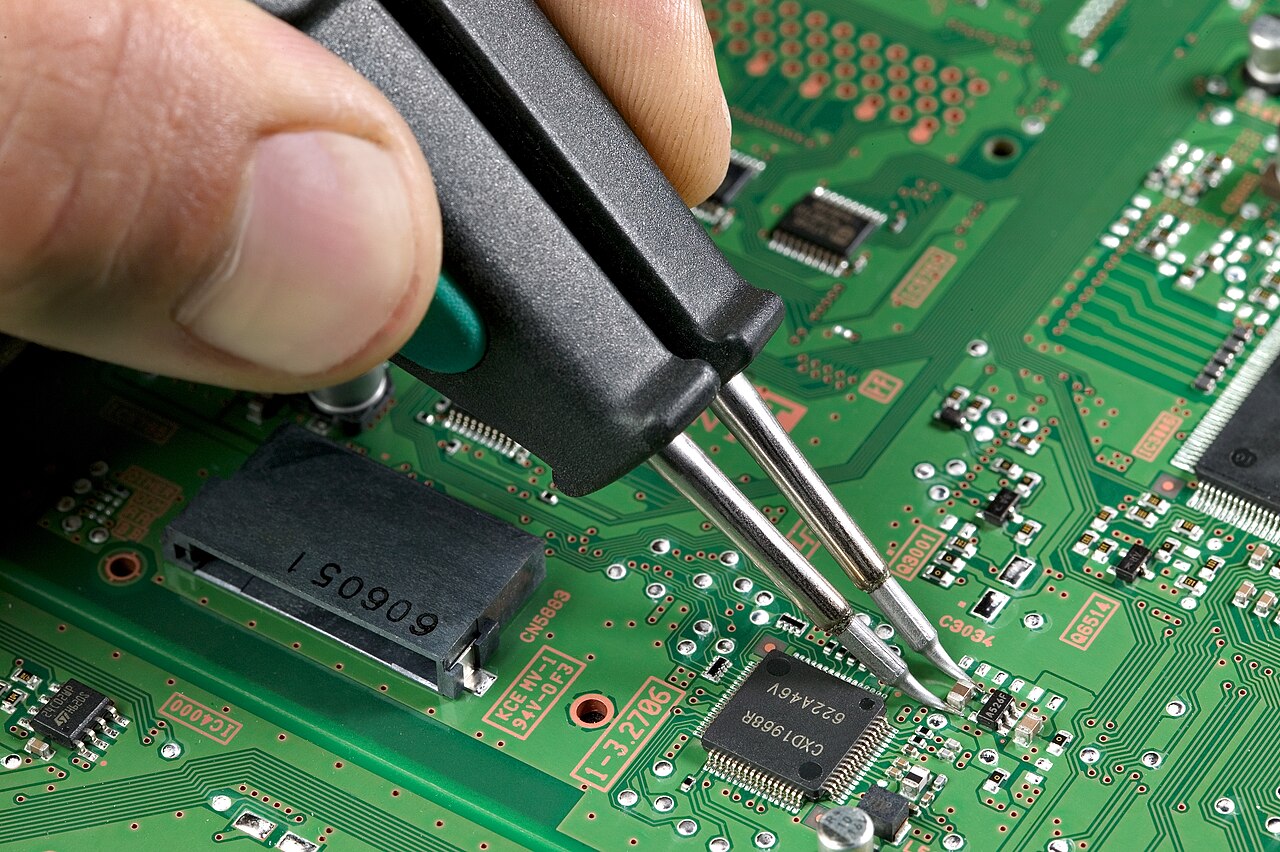 3. A soldering iron working on a tiny part.
Photo: Aisart · CC BY-SA 3.0 · source
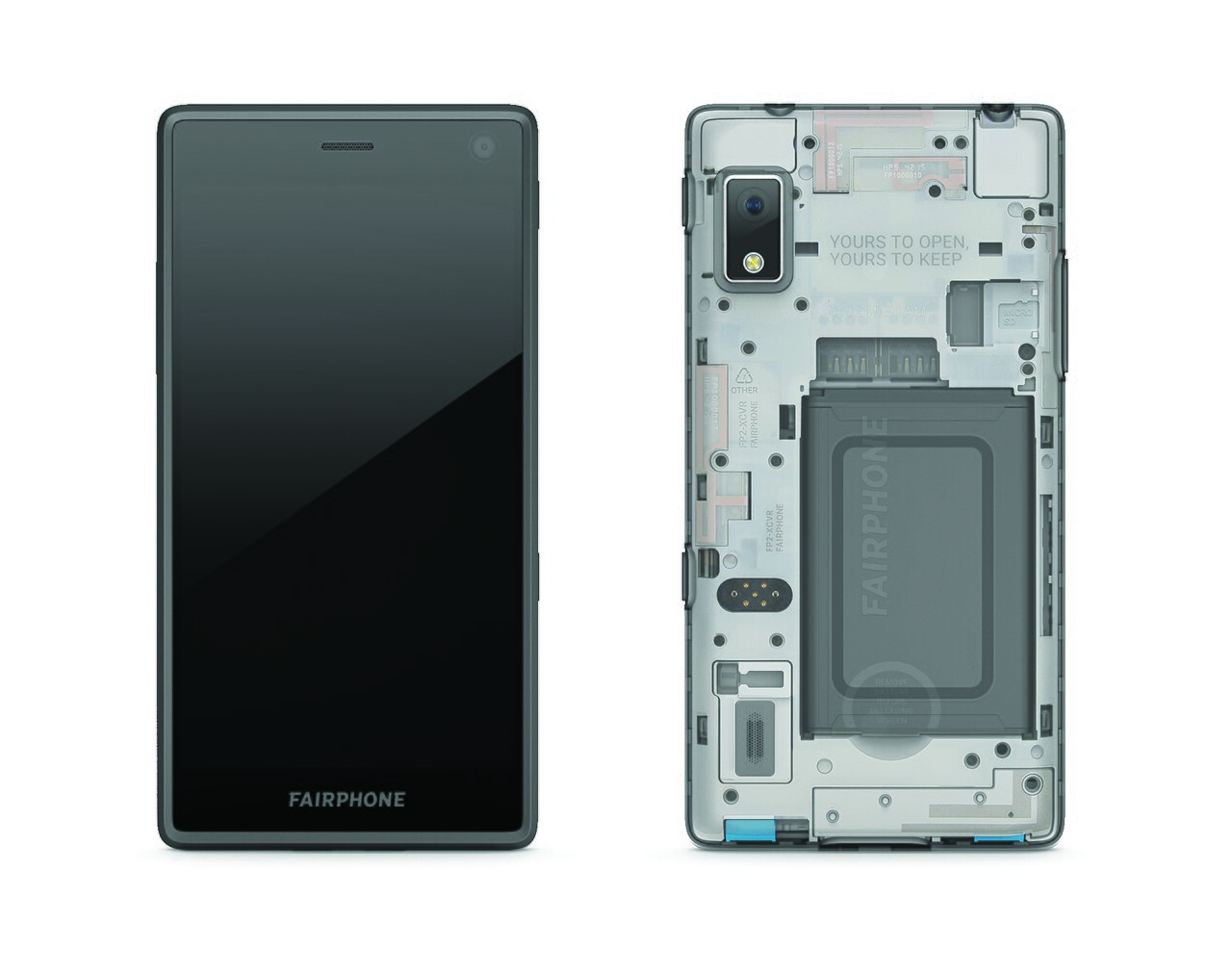 4. A modular phone built so parts can be swapped. (Photo from Europe.)
Photo: Fairphone · CC BY-SA 2.0 · source
Copy prompt for Lovable
Paste this into the Pan African Global Open Curriculum project to add this factory there.
Add the "Phones" hall to the AfroFuture Factories world in the Pan African Global Open Curriculum, using the same 3D hall as Cassava to Bioplastic (walk-to-unlock stations, shared welcome card, five technicians in futuristic suits).
Paint: midnight blue walls, teal band with a gold kente pattern, neon teal light.
Stations (hands-on games, stars, real credited Wikimedia Commons photos, "Think about it"):
1. Urban mining (Njeri): sort 10 old-phone parts into metal recovery or a safe battery box; wrong answers explain why.
2. Purifying copper (Baraka): drawn electrorefining tank. Hang the dirty plate on + and the pure sheet on − (reversed plates dissolve the sheet), set the current density (best 250–350 A/m²), run 10 days while copper ions travel and the cathode thickens (Faraday's law, about 0.9 mm a day at 300 A/m²); too much current grows lumps that cause short circuits; anode mud holds gold and silver. Thickness chart, 7–12 mm target.
3. Making a chip (Halima): yellow-light clean room. Blow dust off the wafer with a nitrogen gun, drop on resist and spin (about 1 µm at 3000 rpm), drag and turn the mask until the alignment crosses sit in their boxes (within 1.5 µm, shown in two close-ups), hold the UV lamp 1.6–2.4 s, then develop and etch; a 16-chip wafer map shows which chips work and why.
4. Circuit board (Akinyi): drag a resistor, LED, capacitor and 555 chip onto their outlines the right way round (+ mark, stripe, notch), set the iron to 320–380 °C, hold it on each of 10 pads until solder flows into a shiny cone (side-view close-up shows cold joints, blobs, bridges, burnt pads; solder wick fixes blobs), then a beeping meter tests each joint and the LED blinks if it all works.
5. Assembly and testing (Otieno): drag frame, main board, camera, battery and screen into the phone in order (wrong order explains why), then run a charge test with a heat camera and temperature chart (safe under 40 °C), a signal test and a red-green-blue-white screen test on 3 phones, and pass or send each to repair.
Finale: design and download your phone, then "Where the money goes" (metals ~$2 → parts ~$150 → phone ~$300). Work orders, lab report, facts. Mark science and prices for teacher review.