AfroFuture Factories
Herbal Medicine Line: grow, dry, test and label
African healers have used plants like moringa, roselle (hibiscus) and neem for generations, and scientists now study them in labs. In the AfroFuture world, a clean, tested factory turns these plants into teas, capsules and salves. Plants can be strong medicine. Never take any herbal product without asking a doctor, nurse or pharmacist.
- → 1. Harvesting plants
- 🔒 2. Drying
- 🔒 3. Making the drink
- 🔒 4. Filling capsules
- 🔒 5. Quality check and label
Welcome to the AfroFuture herbal medicine line
- ⌨️ W A S D or arrow keys to walk, Shift to go faster (or the arrow buttons).
- 🖱️ Drag to look around.
- 🚶 Walk up to each machine in order. Follow the glowing arrow, then click the machine or press Start.
- 📋 Follow the work orders and download your lab report.
- 🌿 At the end, design your own product label and see where the money goes.
From garden to tested product, for real
Real photos in the order the factory works. Captions say where photos come from outside Africa.
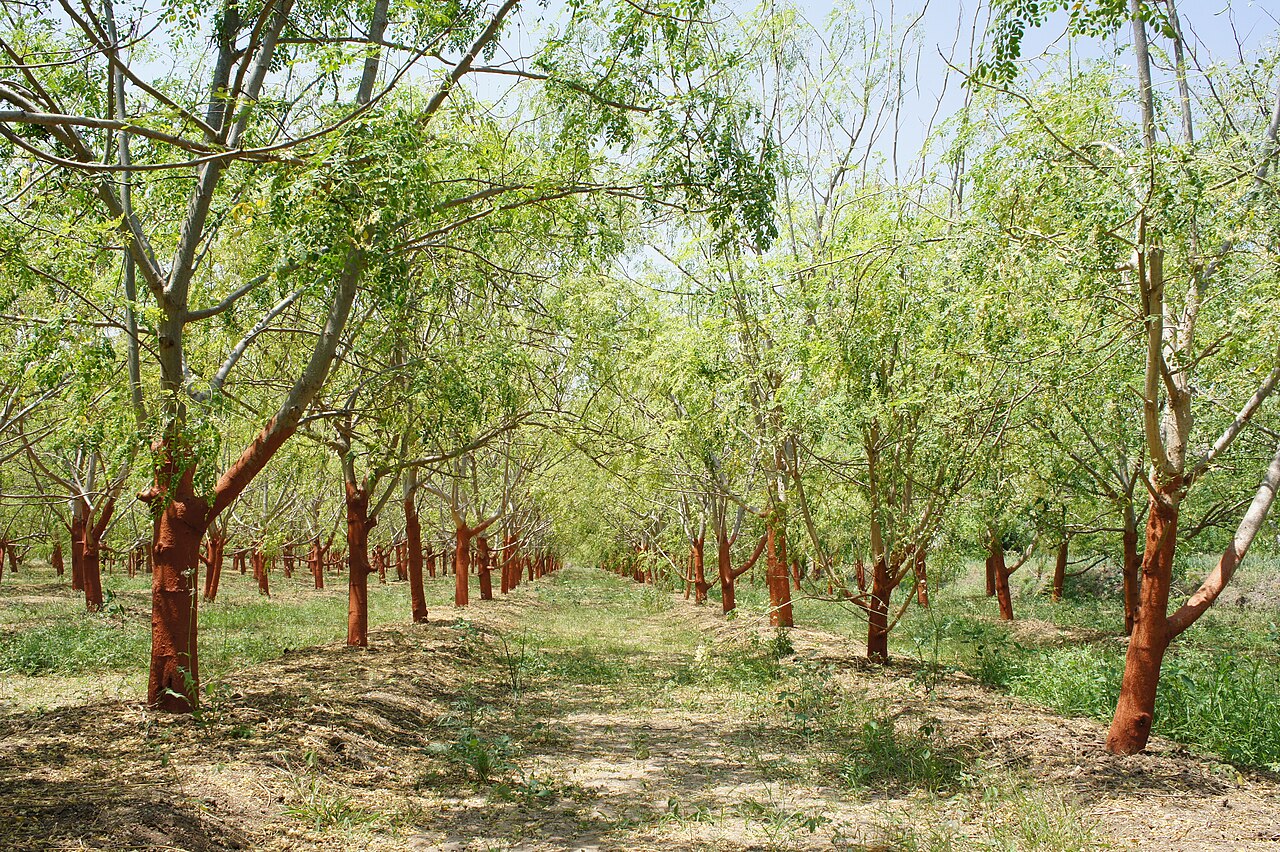 1. A moringa tree with its small leaves.
Photo: Crops for the Future · CC BY-SA 3.0 · source
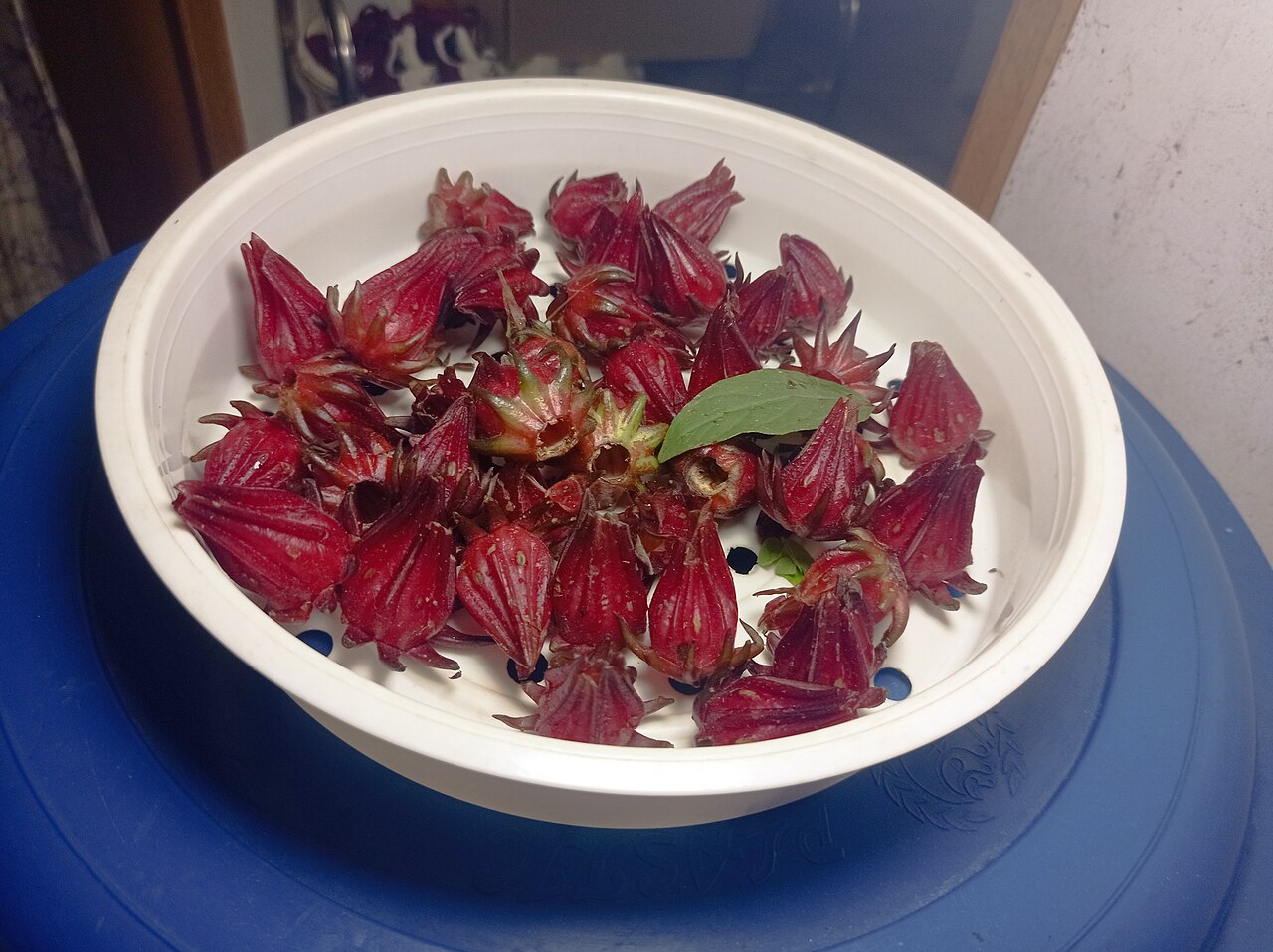 2. Fresh red roselle calyces. (Photo from Myanmar.)
Photo: SarKaLay · CC0 · source
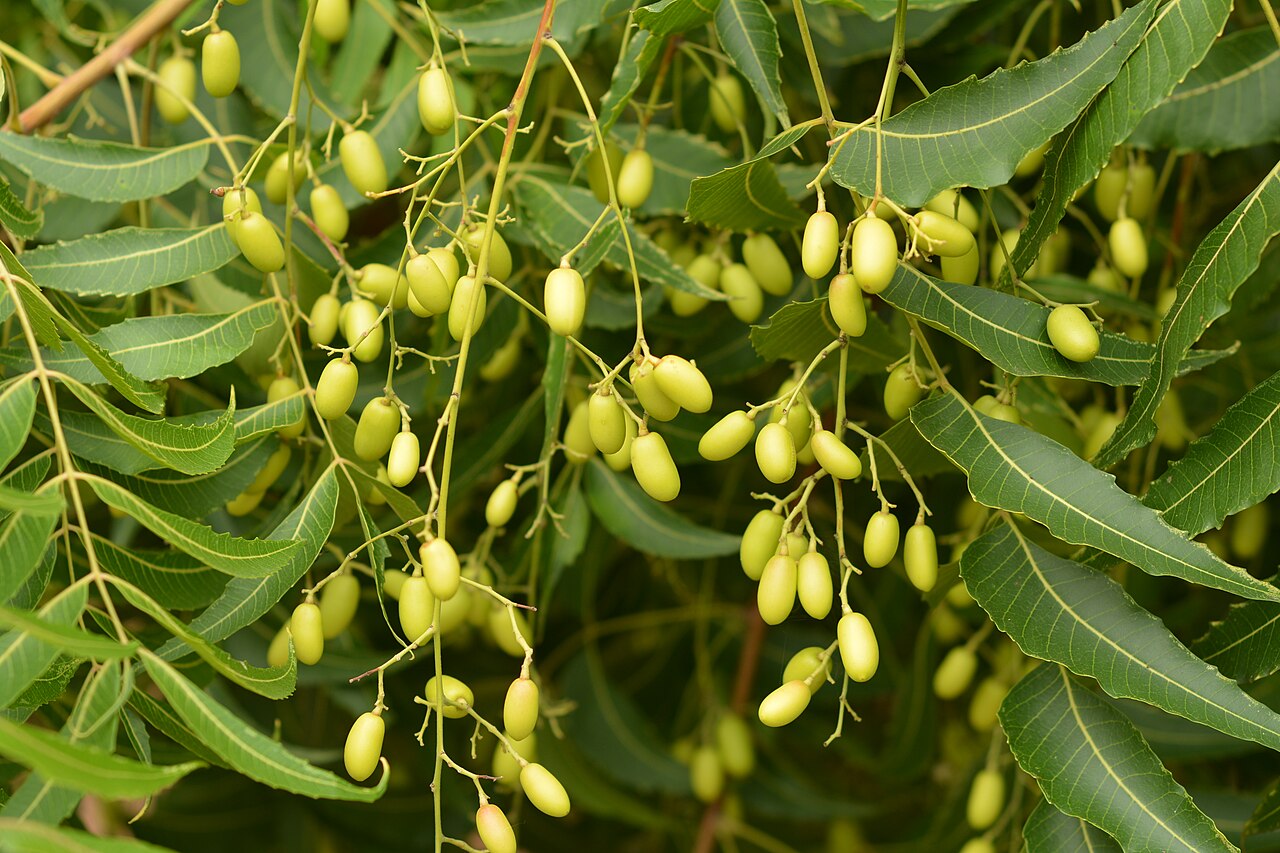 3. Neem leaves and fruit.
Photo: Kevinsooryan · CC BY-SA 3.0 · source
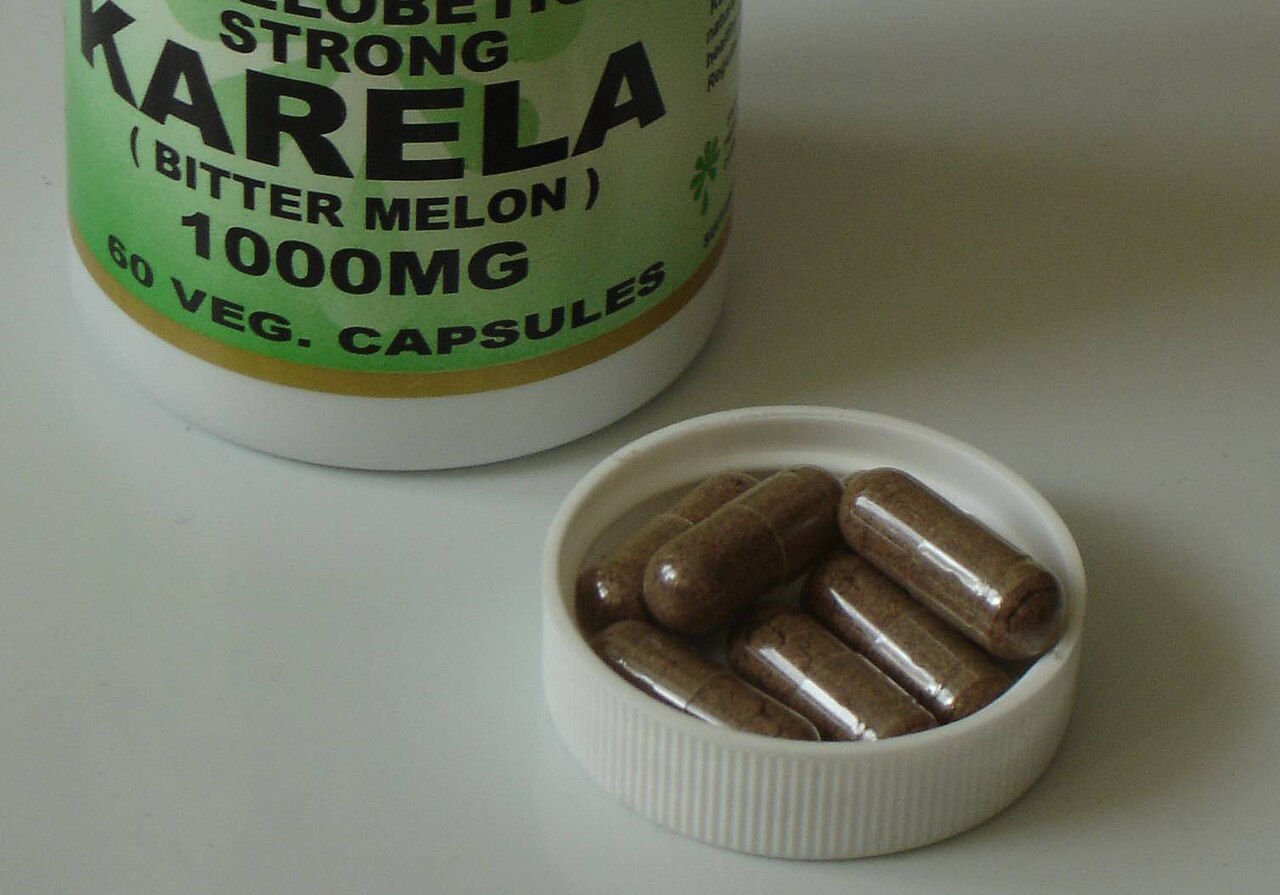 4. Herbal capsules, made from bitter melon. (Photo from the UK.)
Photo: KTo288 · CC BY-SA 3.0 · source
Copy prompt for Lovable
Paste this into the Pan African Global Open Curriculum project to add this factory there.
Add the "Herbal Medicine Line" hall to the AfroFuture Factories world in the Pan African Global Open Curriculum, same 3D hall pattern as Cassava to Bioplastic.
Paint: forest green walls, gold band with an adinkra pattern.
Safety: show "Plants can be strong medicine. Never take any herbal product without asking a doctor, nurse or pharmacist." No dosing advice anywhere.
Stations:
1. Harvesting (Makena): a roselle bush with buds, flowers, ripe, old and insect-damaged calyces and a field guide; tap to snip only ripe ones; then twist each green seed pod ¾ turn before pulling it out (pulling early tears the calyx).
2. Drying (Mandla): solar dryer cutaway (collector, cabinet, 3 trays, chimney vent); drag 150 g handfuls of 1,200 g fresh calyces onto trays (300 g per cm of depth); time-lapse days and nights with vent knob and shade cloth; temperature and humidity meters; thick, humid trays go mouldy, direct sun fades colour, night air re-wets; weigh to 8–12 % water (about 196–205 g).
3. Infusion (Rahma): pinch 1 g of dried roselle at a time into a jug on a scale, boil the kettle and pour 250 ml (pour temperature recorded), steep with a timer while the colour comes out (faster when hotter), strain through a sieve, read pH (about 2.5–3) with a probe, then add baking-soda drops to a sample to see red → purple → blue (links to the pH lab).
4. Capsules (Yetunde): 12-hole filling plate; drag in empty bodies, sweep a spreader both ways (one pass leaves far holes short), hold to tamp (packing raises capacity from about 420 to 580 mg), cap, then weigh 10 capsules on a tared scale and pass or reject outside 475–525 mg.
5. Quality and label (Chinedu): tap 6 quality steps in order (botanist check, test, weigh, seal, label, warning).
Finale: design your product label; money slide (100 kg fresh ~$40 → tested packs ~$800 → tea abroad ~$2,000). Mark science and prices for teacher review.