AfroFuture Factories
Electric Cars: battery, motor and solar roof
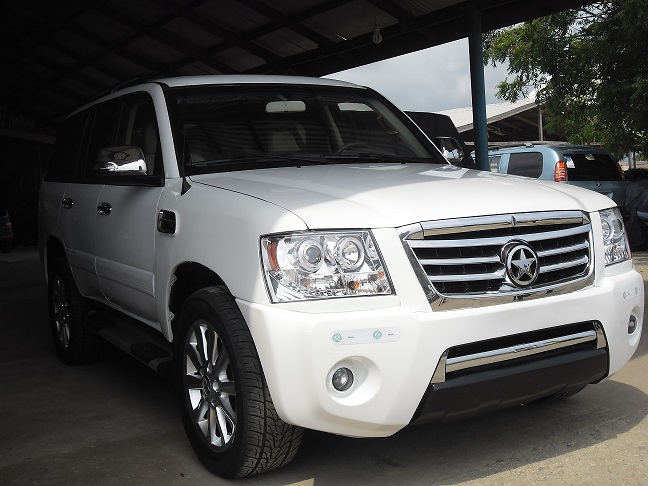
Africa holds much of the world's lithium, cobalt, manganese and graphite, the minerals inside electric car batteries. Ghana already builds Kantanka cars and Uganda built the Kiira EV. In the AfroFuture world, African engineers build the whole electric car. The science is real.
- → 1. Making battery cells
- 🔒 2. Building the battery pack
- 🔒 3. Winding the motor
- 🔒 4. Body and solar roof
- 🔒 5. Plan the route
Welcome to the AfroFuture electric car factory
- ⌨️ W A S D or arrow keys to walk, Shift to go faster (or the arrow buttons).
- 🖱️ Drag to look around.
- 🚶 Walk up to each machine in order. Follow the glowing arrow, then click the machine or press Start.
- 📋 Follow the work orders and download your lab report.
- 🚗 At the end, design your own car and see where the money goes.
Inside an electric car, for real
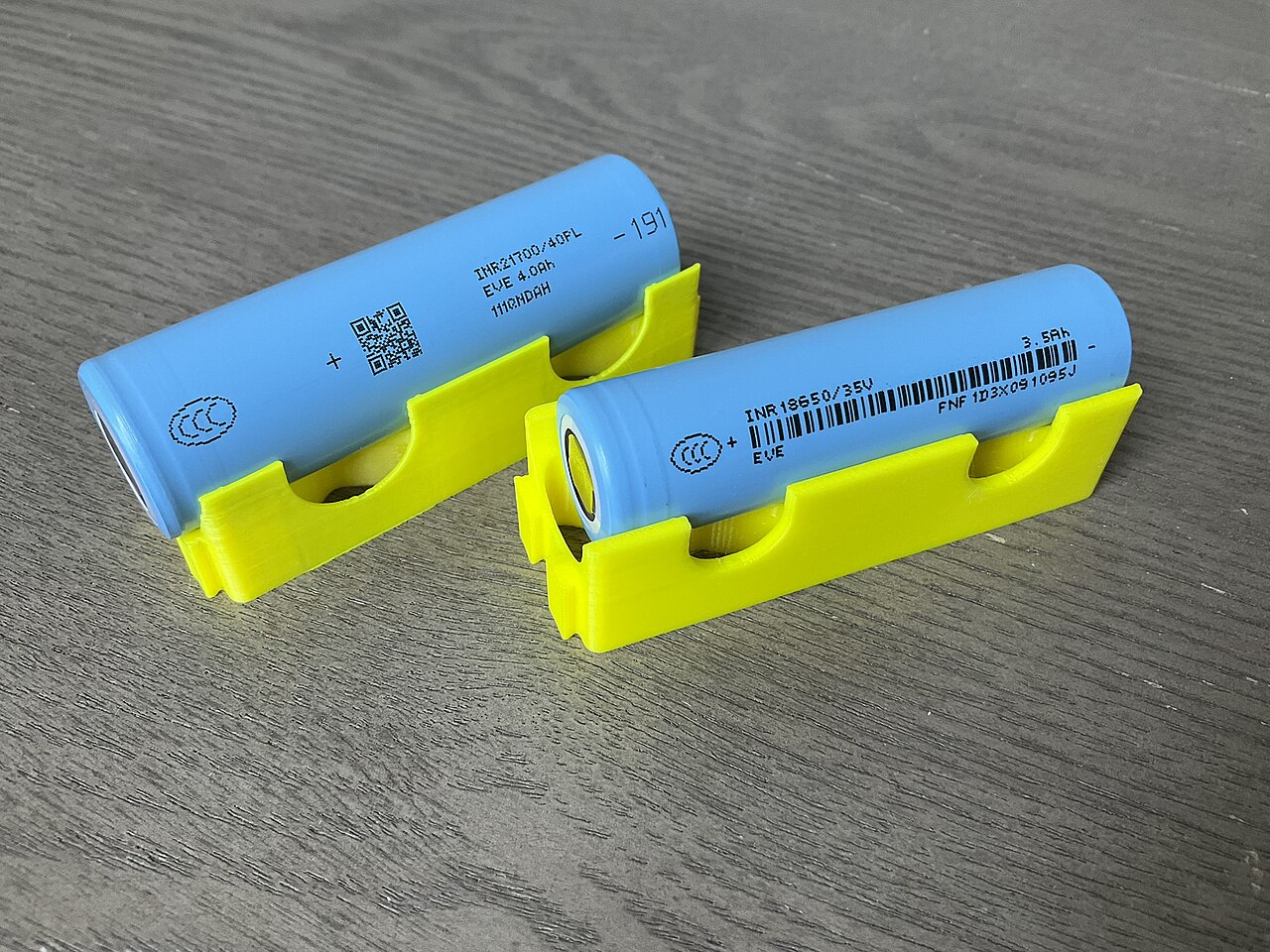
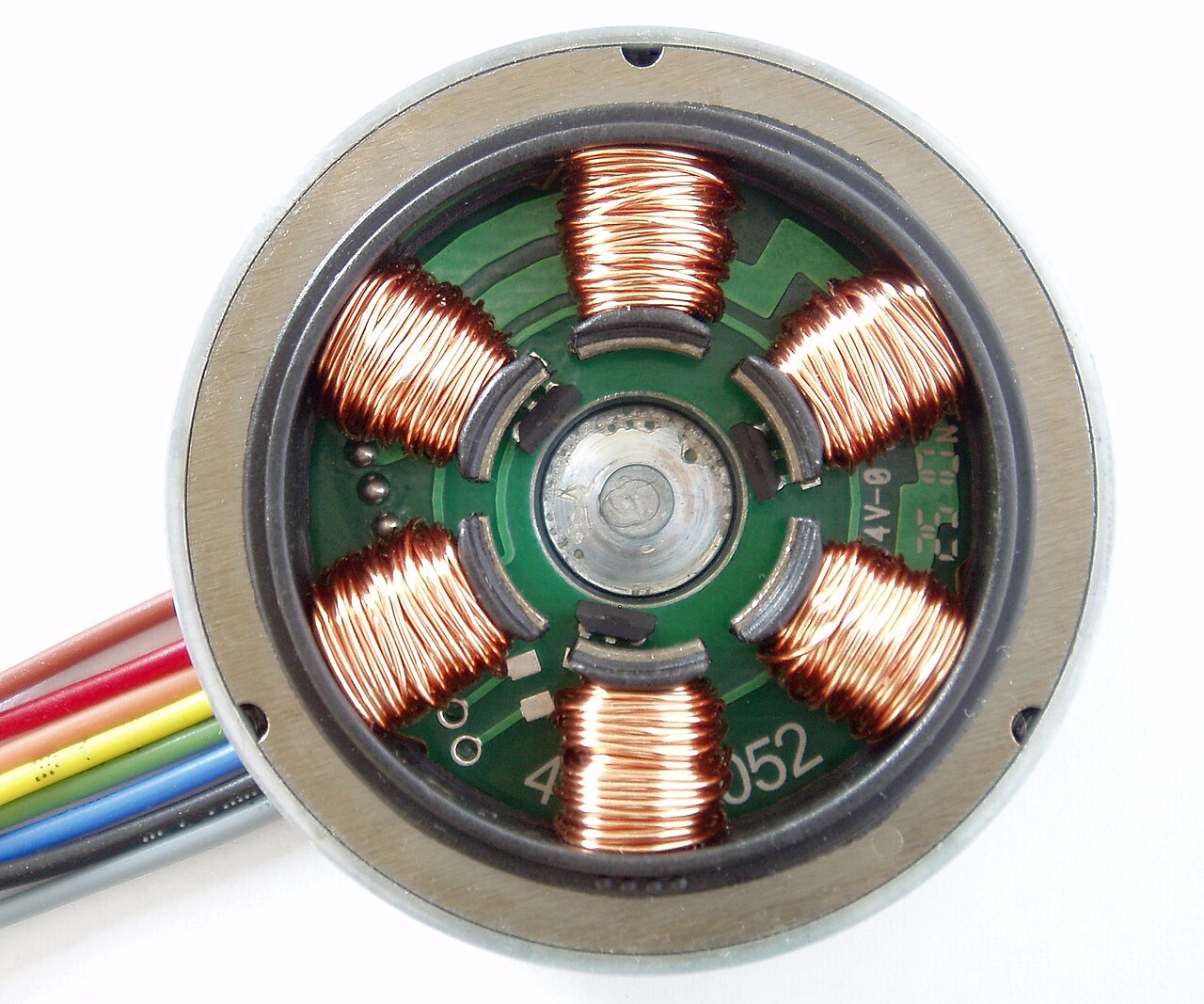
Real photos in the order the factory works. Captions say where photos come from outside Africa.
Copy prompt for Lovable
Paste this into the Pan African Global Open Curriculum project to add this factory there.
Add the "Electric Cars" hall to the AfroFuture Factories world in the Pan African Global Open Curriculum, same 3D hall pattern as Cassava to Bioplastic.
Paint: graphite walls, electric green band with a lime adinkra pattern.
Stations:
1. Battery cells (Nomsa): drawn cell line. Drag scoops (cathode powder 10 g, binder 1 g, carbon 1 g) into a slurry mixer until recipe bars show 92–96 % active and 2–4 % binder, hold Mix until smooth; set a doctor-blade gap (coat dries to 45 % of it, target 60–80 µm) and pull the foil steadily past a thickness gauge (bar chart per segment); squeeze through calender rollers to 65–80 % (too hard cracks it); a cutaway shows Li+ moving into graphite while charging and the energy stored.
2. Battery pack (Bongani): tap 14 cells with a voltmeter (good = 3.6 ± 0.12 V) and drag the two bad ones to recycling; tap columns to add parallel nickel strips and gaps to add series links until a 4S3P module reads 14.4 V; 28 modules stack to 403 V; a heat-camera load test shows any mismatched cell overheating.
3. Motor (Lerato): crank copper onto six stator teeth (one crank turn = 10 turns, 30–40 per tooth, clockwise = N, anticlockwise = S, must alternate); switch on to see compasses and field lines; spin test shows rpm, hottest coil (more turns run hotter, over 90 °C fails) and shaking from uneven coils.
4. Body and solar roof (Zodwa): weigh 1,000 cm³ blocks (steel 7.85 kg, aluminium 2.7 kg, recycled composite 1.4 kg) and choose a steel safety cage (600+ MPa) and light panels; drag to keep a tilting roof panel facing the sun through a 6:00–18:00 day (compare with a flat roof, km of free driving); in a smoke tunnel drag nose and tail handles to reach Cd 0.30 or less while keeping 300 L of boot, with range at 100 km/h.
5. Plan the route (Musa): pick a real trip (Kumasi→Accra, Nairobi→Mombasa, Kigali→Musanze), battery 40/60/80 kWh, speed, passengers and charging stops; car drives along the height profile, battery uses (0.06 + 0.0000125 × speed²) kWh/km +3 % per extra person, climbs use m·g·h, downhill gives 60 % back, each charge = 30 min to 80 %. Goal: arrive with 10 %+.
Finale: design and download your car; money slide (ore ~$300 → chemicals ~$1,500 → pack ~$8,000 → car ~$30,000). Real credited photos (Kantanka, Ghana). Mark science and prices for teacher review.