
4-week self-paced course
Sand to
Power
How solar panels and batteries are really made, and what we can make where we live. Learn to wire them safely and plan what you could build at home, with your family or community, or as a business, in the US, the Caribbean, South America or anywhere in Africa.
No engineering background needed. Your guide explains every word, and every number links to its source.
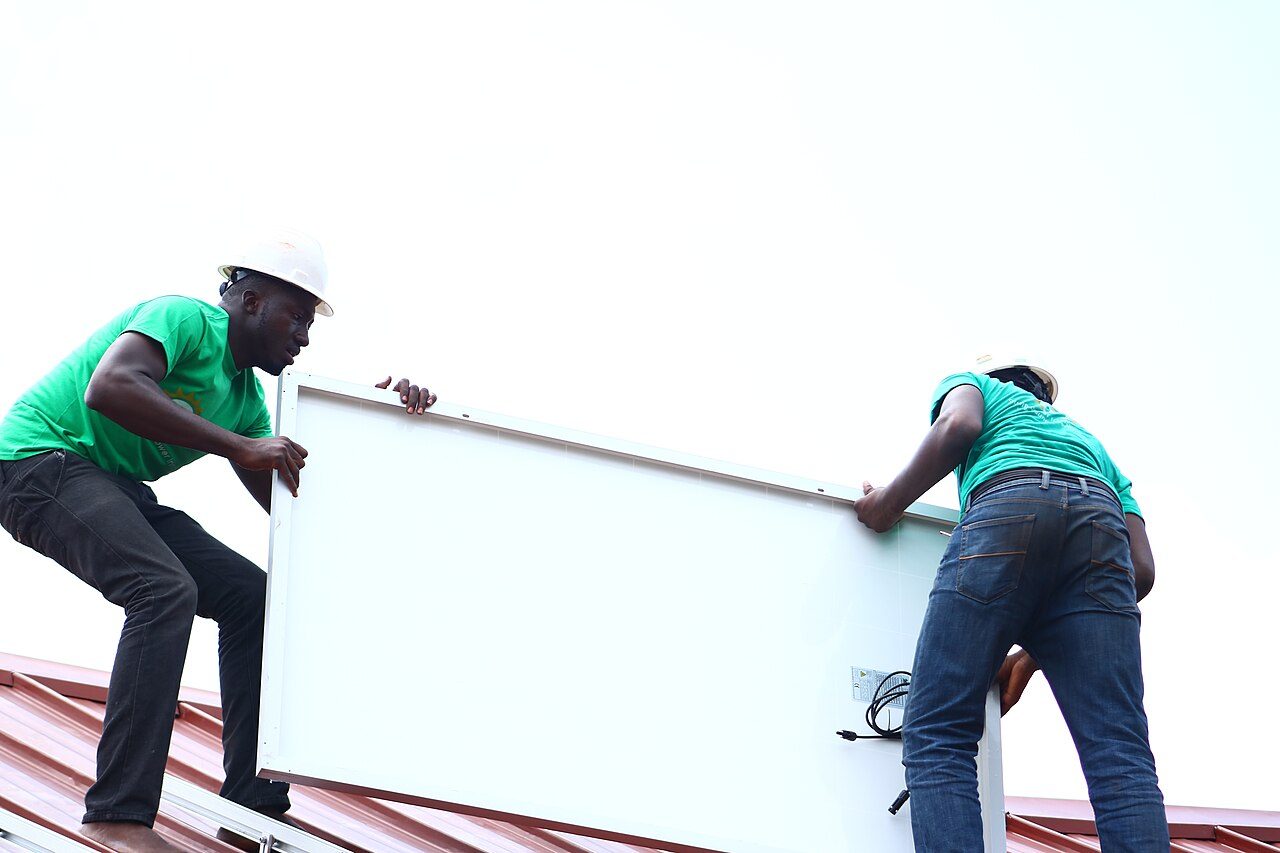
What you will do
Each week has short guided lessons and a hands-on lab. You run the furnace, set up a factory line, wire real panel layouts and build a battery pack, and you see right away what each choice does to power, safety and cost.
From sand to silicon wafers
Feed three metric tons (3,000 kg) of quartz through four real machines. Every choice changes the purity, the electricity bill and the carbon.
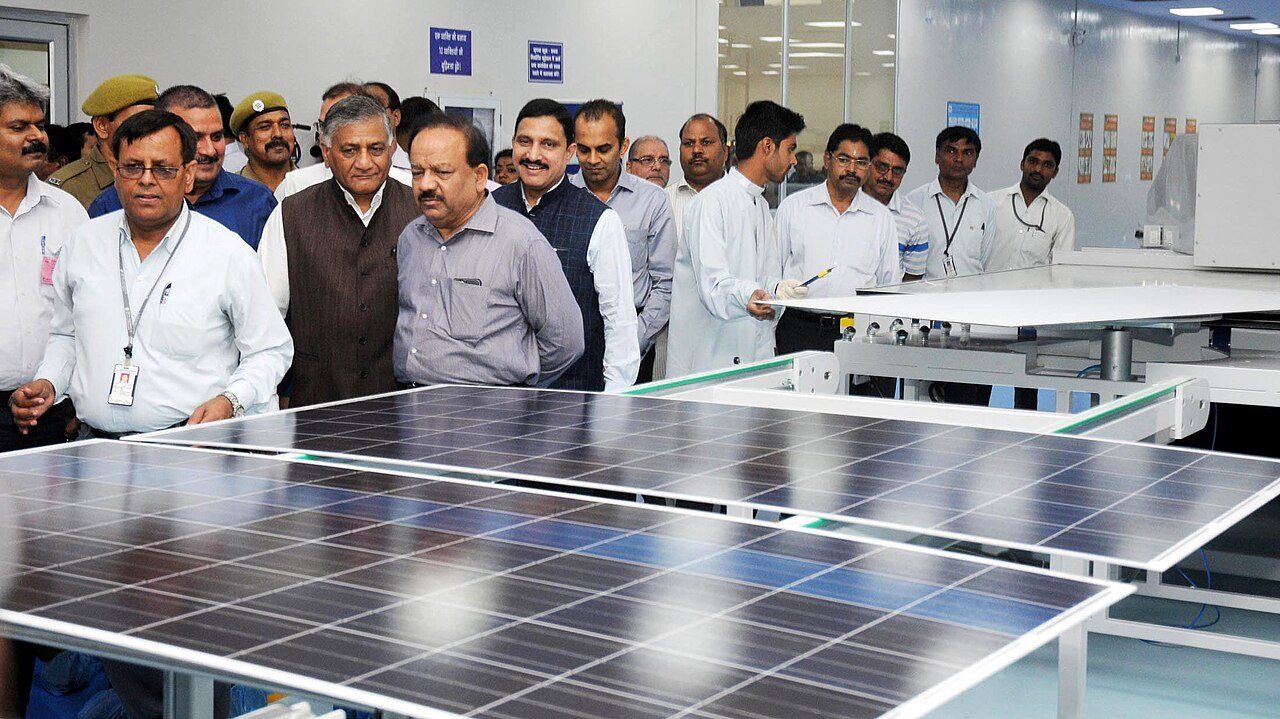
Cells, panels and the assembly line
Eight stations turn cells into finished 550 W panels. Find the bottleneck, balance the line and get your cost per watt down.
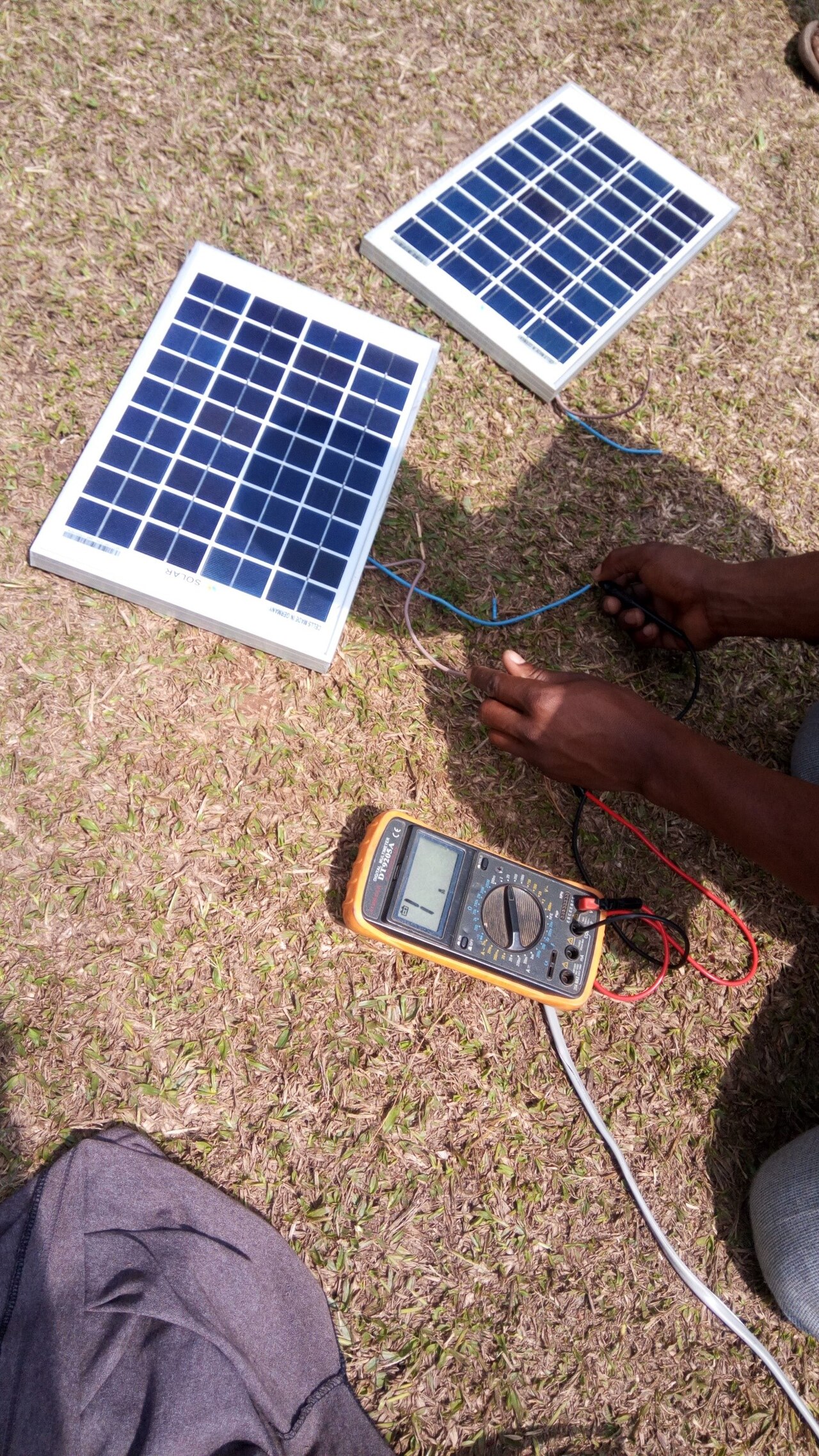
Photovoltaics: series, parallel and real systems
Drag cables between real panel connectors. The meter, the I–V curve and the inverter respond like the real thing.
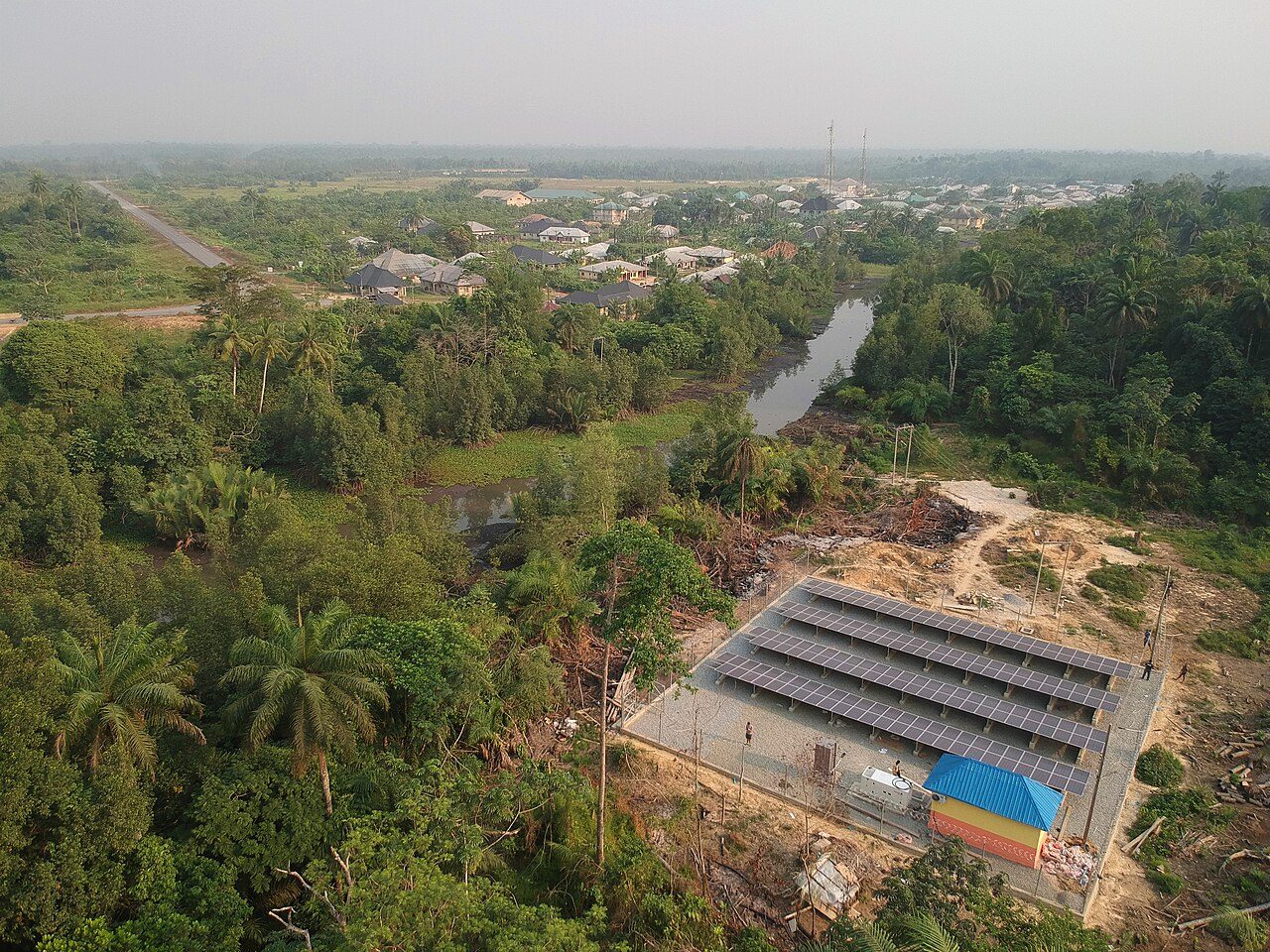
Make it where you live
Pick a region, choose which steps to make locally and watch the supply lines, costs, jobs and risks change.
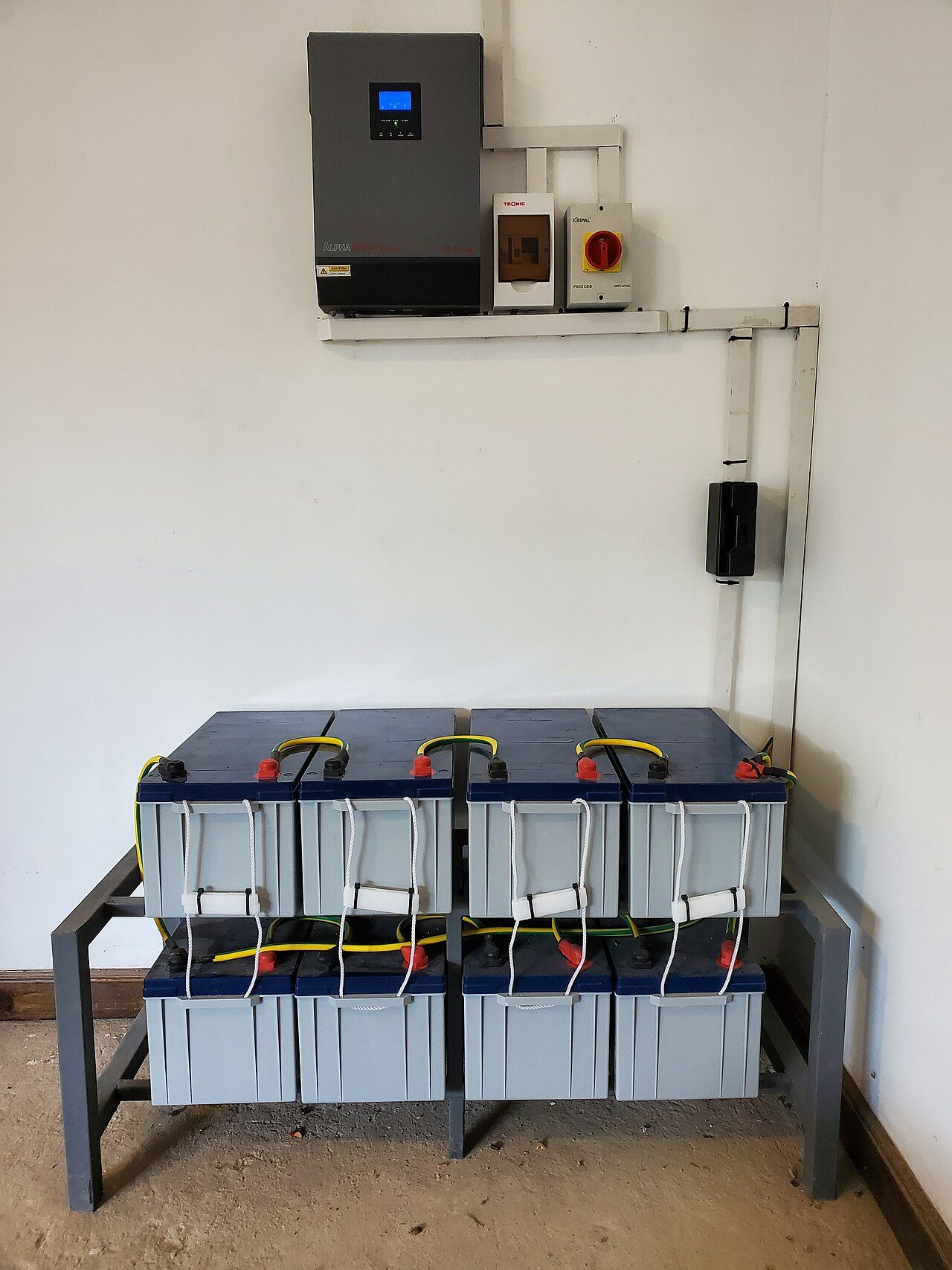
Lithium batteries for the home and the road
Build a pack the careful way. Every shortcut shows up as heat, a tripped BMS or a pack that dies at 2 a.m.
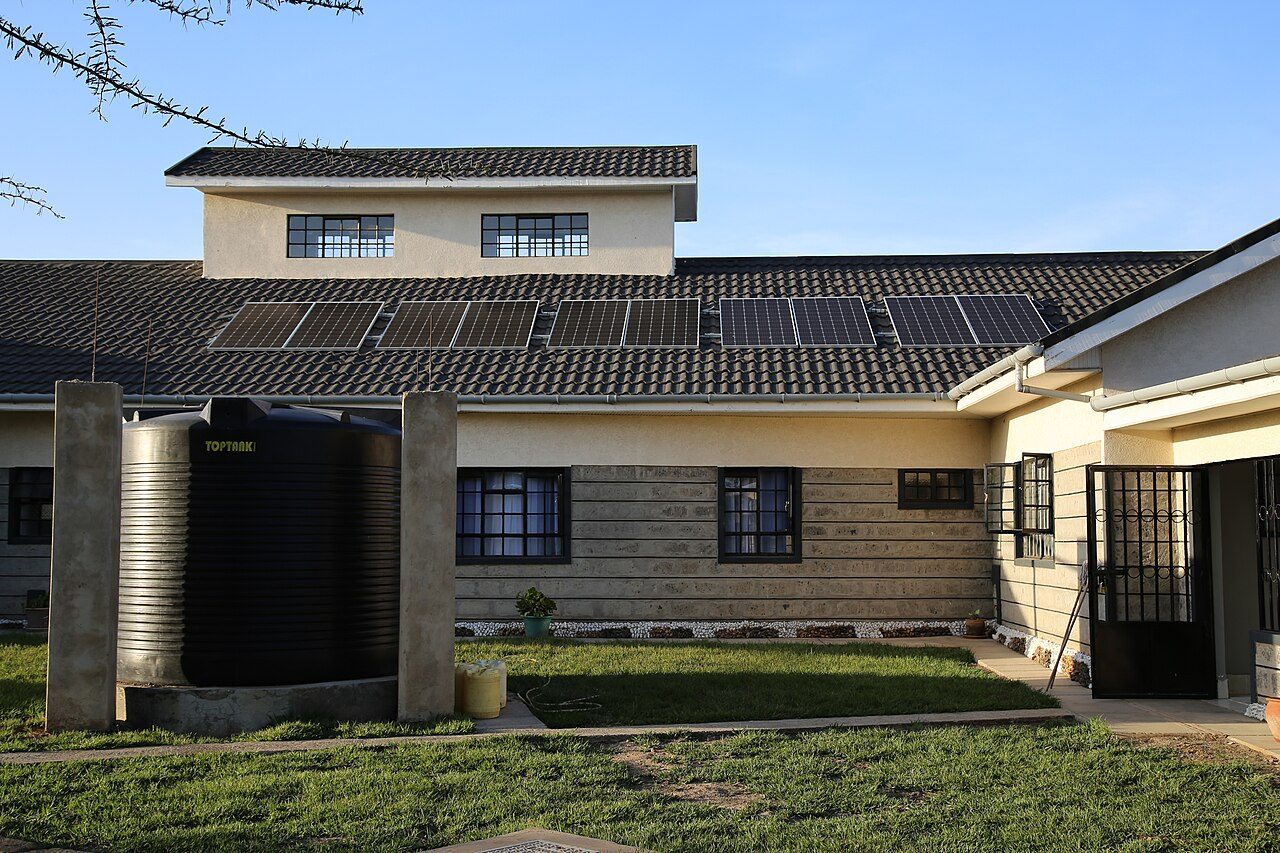
Test your panels on real houses
Click roof spots to place panels. Scrub the day and the year: shadows, sun angle and real monthly weather do the rest.
Week by week
- Week 1
From sand to silicon wafers
- · Explain why ordinary sand is not automatically furnace feed
- · Trace three metric tons (3,000 kg) of quartz to wafers and watts
- · Show which step uses most of the electricity
- Week 2
Cells, panels and the assembly line
- · Name the eight stations of a module line
- · Find and fix a bottleneck
- · Build a cost-per-watt stack from real inputs
- Week 3
Photovoltaics: series, parallel and real systems
- · Predict voltage and current for series and parallel
- · Explain bypass diodes and hot spots
- · Size a string for a cold morning and a hot afternoon
- Week 4
Make it where you live
- · Compare US, Caribbean, South American and African realities
- · Separate 'assembled here' from 'made here'
- · Pick locally manufacturable alternatives to solar
Lithium batteries for the home and the road
Grade cells, build a 48 V home pack, torque the busbars, size the BMS and fuse, then run the night and try a pack in a vehicle.
Test your panels on real houses
Put panels on five house styles in seven cities, Atlanta to Èkó to eGoli, under each city’s real sun and see what every panel makes.
Realistic, region by region
What already exists, what could come in 5–10 years, and what must be imported from nearby or from far away.
Qcells began making cells in Cartersville, Georgia in June 2026: 3.3 GW of ingot, wafer and cell capacity when fully ramped.
Qcells, Cell manufacturing begins in Cartersville, GeorgiaCuba's Ernesto Che Guevara plant in Pinar del Río assembles about 15 MWp of modules a year, with a 50 MWp expansion proposed.
Cuba Ministry of Energy and Mines, SolarBrazilian-made modules fell to about 1% of the national market in 2024 (BNDES).
BNDES, Brazil solar industry study (2025)No commercial upstream silicon plants were confirmed; deployment, engineering, racks and possible assembly are the realistic steps.
IEA, Solar PV Global Supply ChainsModule makers are identified in Egypt (A.R.E., Sunprism, ATUM), Morocco (Almaden), Tunisia (Ifrisol) and Algeria.
Observatoire Europe–Afrique 2030, African solar manufacturing (2026)NASENI and Auxano are identified Nigerian module makers; NASENI's reported 50 MW upgrade is not independently audited.
Leadership, NASENI 50 MW solar plantSolink EA in Kenya assembles modules from cells, that is not wafer-to-cell manufacturing.
Observatoire Europe–Afrique 2030, African solar manufacturing (2026)Historic off-grid assembly exists in Rwanda and Tanzania; a hydro-backed industrial park could host more if firm power and investors line up.
FCDO / ACE-TAF, Local manufacturing of off-grid solarJA Solar / ARTsolar in Durban reported 340 MW of upgraded module capacity in 2025.
Renewables Rising, JA Solar / ARTsolar South AfricaNo industrial cell or module factory was confirmed; installation, racks, service and off-grid assembly come first.
ACEP, The Solar PV Value Chain: Opportunities for AfricaWho it's for
Adults who want to understand, and maybe build, energy industries: families, tradespeople, entrepreneurs, teachers and organizers.
How it works
Four weeks, about two and a half hours each, at your own pace. Big ideas in a few cards, then the simulation, your region and a checkpoint.
Honest by design
Every figure links to its source. Teaching estimates are labelled. Battery and wiring work is taught for safe decisions, not as permission to energize equipment.
Enrol
- A guided welcome + 4 weekly modules + 2 bonus modules
- 6 hands-on labs with 30 missions
- Region-by-region evidence with sources
- Checkpoints with explanations
- Beyond-solar options for your region
- Progress you can pick up any time
Questions
Do I need to know electronics or chemistry?+
No. Each idea starts from what you can see and measure. The simulations do the maths and show you why.
Will this teach me to build a battery or install panels?+
It teaches the decisions, numbers and safety chain behind them, so you can plan, hire and supervise well. Energizing real equipment needs qualified people and local approval.
Why region by region?+
Making solar panels is realistic in some places and not others. The course shows what exists in the US, the Caribbean, South America and each African region today, and what it would take to go further.
What if solar isn't the best fit where I live?+
Week 4 includes 'Beyond solar': solar water heaters, dryers, micro-hydro, biogas, small wind and more, with what a local workshop can actually make.
How long does it take?+
About two and a half hours a week for four weeks, plus the two bonus modules, at your own pace.